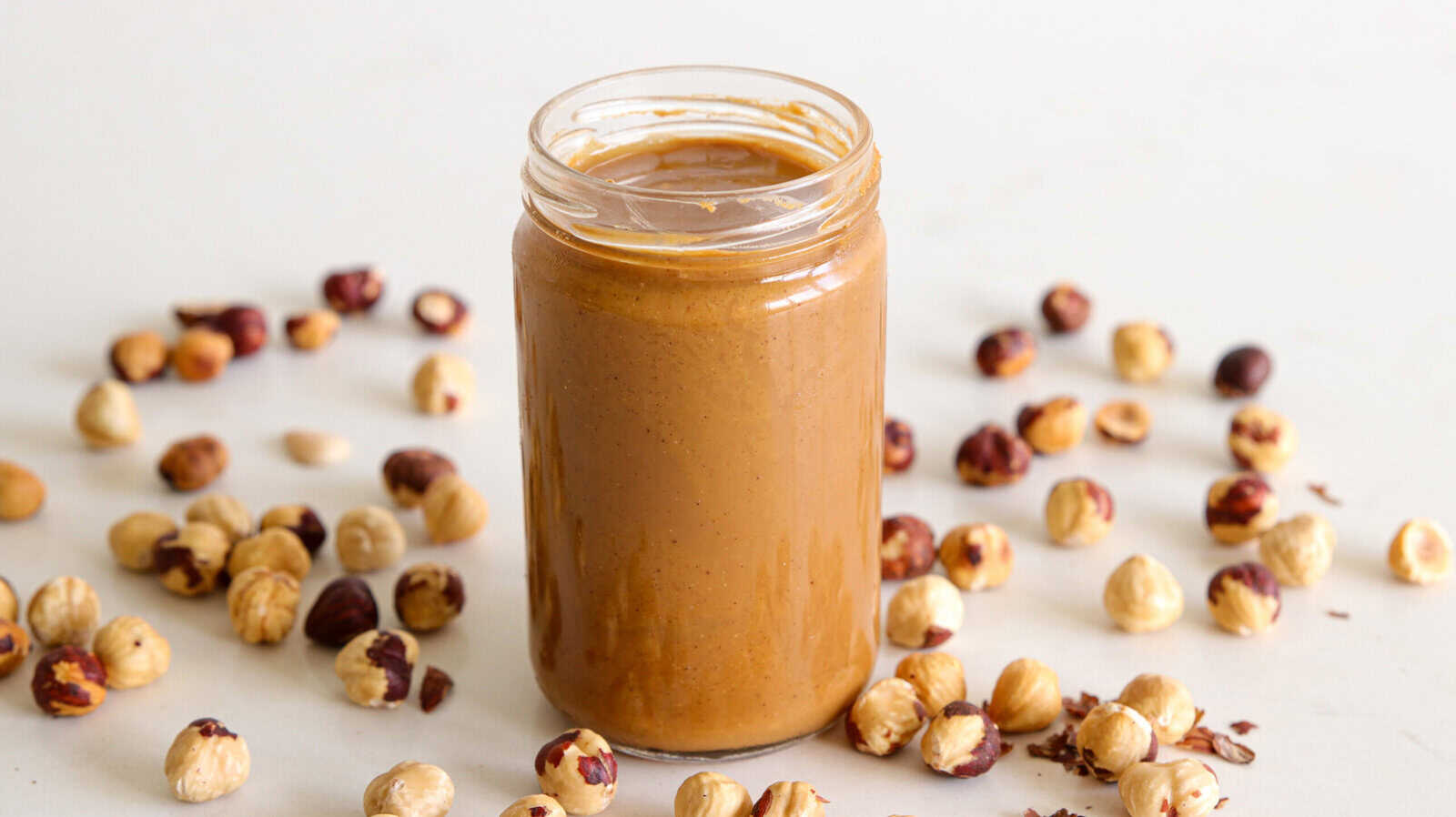
Easy Homemade Hazelnut Butter: Elevate Your Spreads
Imagine a spread so rich, so intensely nutty, and so wonderfully creamy that it instantly transports your taste buds to a gourmet café. Now, imagine creating this culinary masterpiece right in your own kitchen with minimal effort. That's the magic of homemade
hazelnut butter. Far beyond the store-bought varieties, crafting your own allows for unparalleled freshness, control over ingredients, and a depth of flavor that's simply irresistible. This simple guide will walk you through every step, transforming humble hazelnuts into a velvety smooth, versatile spread perfect for any occasion.
Many of us grew up with chocolate-hazelnut spreads, but the pure essence of hazelnut often gets overshadowed. This recipe celebrates the hazelnut in its purest form, highlighting its uniquely sweet, earthy notes. Whether you're a seasoned home cook or a kitchen novice, you'll be pleasantly surprised at how quickly and easily this delicious spread comes together, proving that some of the best things in life are indeed homemade.
Why Homemade Hazelnut Butter is a Game Changer
While grabbing a jar of nut butter off the shelf is convenient, making your own
hazelnut butter is a profoundly rewarding experience that offers numerous advantages. The most significant difference lies in the taste and texture. Store-bought versions often contain added sugars, oils, and emulsifiers that can dilute the natural hazelnut flavor and alter the texture. When you make it yourself, you control every single ingredient, ensuring a pure, unadulterated taste that sings with fresh, roasted hazelnut goodness.
Beyond flavor, homemade hazelnut butter offers significant health benefits. You can completely avoid unwanted additives, hydrogenated oils, and excessive sugar, making it a much healthier option for you and your family. Furthermore, the freshness of homemade nut butter means you're consuming the nuts at their peak, retaining more of their natural vitamins, minerals, and healthy fats. From an economic perspective, while the initial cost of hazelnuts can vary, buying them in bulk and making your own can often be more cost-effective in the long run than repeatedly purchasing premium brands. This versatile spread can seamlessly replace peanut butter in most applications, opening up a world of culinary possibilities that we'll explore later in this guide.
The Essential First Step: Roasting and Skinning Hazelnuts
The journey to perfect
hazelnut butter begins with proper preparation of the nuts themselves. This two-part process—roasting and skinning—is crucial for both flavor and texture. Skipping these steps would result in a less flavorful and potentially bitter, gritty butter.
Toasting for Flavor
Roasting hazelnuts dramatically enhances their natural sweetness and deepens their nutty flavor. It also helps to release their natural oils, which are vital for achieving that desirable creamy consistency later on.
To toast your hazelnuts:
- Preheat your oven to 350°F (180°C).
- Arrange the raw hazelnuts in a single layer on a rimmed baking sheet. Ensure they are not overcrowded, allowing for even roasting.
- Roast for about 10-15 minutes. Keep a close eye on them, as they can go from perfectly golden to burnt very quickly. You're looking for a fragrant aroma and a beautiful golden-brown color, not dark or charred.
- Once roasted, remove them from the oven and allow them to cool slightly, making them easier to handle.
A helpful tip: If you're lucky enough to find blanched (already skinned) hazelnuts, you still benefit from roasting them. Roast them for about 5-7 minutes to warm them through and awaken their oils. If your hazelnuts are already roasted AND skinned, a quick 5-minute warm-up in the oven at 350°F (180°C) will suffice to get those oils flowing.
Skin Removal for Smoothness
The skins of hazelnuts, while edible, contain tannins that can impart a slightly bitter flavor and a gritty texture to your finished
hazelnut butter. Removing them is an extra step, but one that’s well worth the effort for a truly smooth and delightful spread.
Unlock Smooth Hazelnut Butter: Essential Skin Removal Tips for more detailed guidance.
Once your hazelnuts are cool enough to touch but still warm, transfer them in batches to a clean, sturdy kitchen towel. Fold the towel over the hazelnuts and rub them vigorously. The friction will cause the skins to loosen and flake off. Don't worry if a few stubborn bits remain; a perfect skin removal isn't absolutely necessary, but aim to get most of them. If you find the skins are particularly difficult to remove, it might indicate they need a couple more minutes in the oven, or they may not be as fresh. While some methods suggest boiling hazelnuts with baking soda to aid skin removal, it's generally avoided for nut butter recipes to prevent adding excess moisture, which can cause the butter to seize up.
Blending Your Way to Velvety Smooth Hazelnut Butter
With your perfectly roasted and largely de-skinned hazelnuts ready, the real magic begins in your food processor. This is where patience truly pays off, as you watch the nuts transform from whole to a pourable, creamy spread.
The Transformation Process
A high-powered food processor is your best friend here. If your processor is less powerful, it might take a bit longer, but the result will still be fantastic.
- Add the warm, roasted hazelnuts to the food processor bowl.
- Begin processing on high speed. Initially, the hazelnuts will chop into coarse crumbs.
- Continue processing. The crumbs will then break down further into a fine meal, resembling hazelnut flour.
- Keep going! After several minutes, the mixture will start to clump together, forming a thick paste. This is the stage where the natural oils are really starting to release.
- As you continue to process, the paste will gradually become smoother and thinner. You'll notice it changing from a thick dough to a more liquid consistency. This transition typically takes about 5-10 minutes, though it can extend to 15 minutes for less powerful machines.
During this entire process, it’s essential to stop occasionally (every 1-2 minutes) and scrape down the sides of the food processor bowl with a spatula. This ensures all the nuts are evenly processed and helps prevent the motor from overheating. The friction from the blades is what generates the heat needed to release the oils, so don't be tempted to add any liquids unless absolutely necessary, as this can cause the butter to seize and become solid.
Seasoning Your Masterpiece
Once your hazelnut butter reaches your desired pourable consistency, it's time to add the finishing touches. While simply delicious on its own, a touch of seasoning can elevate its flavor profile.
- Salt: A pinch of sea salt is almost always recommended. It brightens and enhances the natural sweetness of the hazelnuts, balancing the flavors beautifully.
- Cinnamon: A dash of ground cinnamon adds a warm, comforting note that pairs wonderfully with hazelnuts.
- Vanilla Extract: A tiny splash of pure vanilla extract can add a subtle layer of sophistication.
- Sweetener (Optional): If you prefer a sweeter spread, you can add a small amount of maple syrup, honey, or even a touch of powdered sugar. Start with a quarter teaspoon and add more to taste.
- Chocolate Hazelnut Spread: For a homemade version of classic chocolate-hazelnut spreads, you can add a tablespoon or two of unsweetened cocoa powder along with a bit of sweetener during the final stages of blending.
Process for another 30 seconds to a minute to fully incorporate any added seasonings.
Troubleshooting Common Hazelnut Butter Issues
Even with a simple recipe, a few hiccups can occur.
- Butter is too thick or gritty: This usually means it needs more processing time. Keep blending and scraping! Patience is key. If, after 15-20 minutes in a powerful machine, it's still too thick, you can add a tiny drizzle (1/2 teaspoon at a time) of a neutral oil like grapeseed or hazelnut oil, but avoid adding water, which will seize the butter.
- My food processor is getting hot: This is normal! The friction generates heat. If it feels excessively hot, turn it off and let it rest for 5-10 minutes before resuming.
- Burnt flavor: If your hazelnuts were over-roasted, there's unfortunately no fix. You'll need to start fresh with a new batch.
Storage and Creative Uses for Your Homemade Hazelnut Butter
Once your homemade
hazelnut butter is perfectly smooth and seasoned to your liking, it's time to enjoy it! Proper storage is key to maintaining its freshness and extending its shelf life.
Storing Your Delicious Creation
Transfer your freshly made hazelnut butter to a clean, airtight container. A glass jar with a tight-fitting lid works perfectly. Store it in the refrigerator for optimal freshness. Homemade nut butters, without the stabilizers found in commercial varieties, can last for up to two weeks in the fridge. Over time, the natural oils may separate, forming a layer on top. This is completely normal; simply give it a good stir before each use.
Beyond the Slice of Toast: Versatile Uses
While spreading your homemade hazelnut butter on toast, bagels, or fresh bread is a classic and undeniably delicious choice, its versatility extends far beyond breakfast. Get inspired by these ideas, and for more in-depth suggestions, explore
Homemade Hazelnut Butter: Versatile Uses for Every Meal.
- Breakfast Boost: Drizzle it over oatmeal, stir it into yogurt, or swirl it into your morning smoothie for a creamy, nutty upgrade. It’s fantastic on pancakes, waffles, and crepes!
- Snack Time: Pair it with apple slices, banana, or celery sticks for a wholesome and satisfying snack.
- Baking & Desserts: Use it as a filling for homemade chocolate hazelnut butter cups, as a base for energy balls, or incorporate it into cookie and brownie recipes. Imagine it as a filling for tarts or even as a glaze for roasted carrots or sweet potatoes for a surprising savory twist.
- Dutch Inspired Treats: Take a cue from the Dutch tradition of "Broodje Hagelslag" (bread with sprinkles) and spread your hazelnut butter on toast, then top it with chocolate sprinkles or flakes for a delightful and playful treat.
Embrace the Homemade Difference
Making your own
hazelnut butter is more than just a recipe; it's an experience that connects you with your food, offering a product that's superior in taste, freshness, and quality to anything you'll find in a store. From the intoxicating aroma of roasting hazelnuts to the satisfying whirl of your food processor, each step culminates in a velvety, intensely flavorful spread that you'll be proud to have made yourself. So, gather your ingredients, embrace the process, and prepare to elevate your culinary game with this simple yet profoundly rewarding homemade hazelnut butter. Your taste buds will thank you!